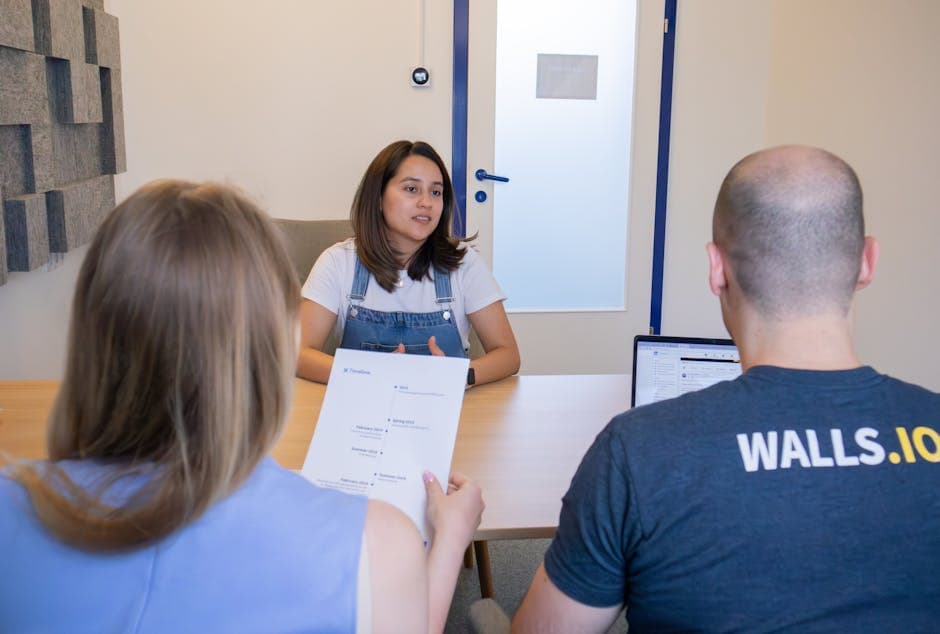
Landing your dream job means mastering the right interview strategy—and that strategy differs vastly between startup and corporate interviews. If you’re wondering why your usual corporate interview approach isn’t winning you startup roles or vice versa, you’re not alone. Understanding these differences is critical to tailoring your preparation, impressing hiring managers, and ultimately getting hired.
Why You Need Different Interview Strategies for Startup and Corporate Jobs
The primary reason you need a different interview strategy lies in the culture, expectations, and hiring criteria of startups versus large corporations. Startups value agility, creativity, and a broad skillset, while corporations often seek specialized expertise, structured processes, and cultural fit within established teams.
According to a recent LinkedIn survey, 67% of startup recruiters prioritize adaptability and problem-solving, compared to 45% in corporate hiring.
Recognizing these differences can dramatically improve your interview performance and boost your confidence.
Key Differences Between Startup and Corporate Interviews
Culture and Values
- Startup interviews focus on your ability to wear multiple hats, embrace ambiguity, and contribute to rapid growth.
- Corporate interviews emphasize alignment with company values, experience within defined roles, and adherence to established processes.
Interview Format and Structure
- Startups may have informal, conversational interviews with founders or small teams.
- Corporations usually follow a structured multi-stage process with HR, technical panels, and behavioral rounds.
Skillsets and Experience
- Startups want versatile candidates who can learn quickly and solve diverse problems.
- Corporates look for deep expertise, industry experience, and a proven track record in specific functions.
How to Tailor Your Interview Preparation for Startups
Emphasize Your Versatility and Problem-Solving
Startups want candidates who can adapt and contribute across multiple areas. Highlight projects where you took initiative beyond your job description.
Show Passion for the Product and Mission
Research the startup’s product, market, and challenges. Demonstrate genuine excitement and ideas for growth.
Prepare for Less Formal, Open-Ended Questions
Expect situational and behavioral questions like "Tell me about a time you solved a problem with limited resources." Practice concise, structured answers using frameworks like the STAR method.
Be Ready for Technical or Skills Tests
Startups often test practical skills relevant to their immediate needs. Practice coding challenges, case studies, or portfolio reviews accordingly.
How to Prepare for Corporate Interview Success
Master Structured Behavioral Interview Questions
Corporations rely heavily on behavioral questions to assess cultural fit and competencies. Prepare structured answers that demonstrate leadership, teamwork, and problem-solving.
Highlight Relevant Experience and Achievements
Focus on quantifiable results and specific expertise related to the job description.
Understand the Interview Process
Expect multiple rounds, including HR screening, technical assessments, and panel interviews. Prepare for each stage systematically.
Dress and Communicate Professionally
Corporate settings often expect formal attire and polished communication. Practice clear, confident responses.
Step-by-Step Guide: Adjusting Your Interview Strategy
- Research the company culture and interview style – use Glassdoor, company websites, and networking.
- Identify key skills and values the employer prioritizes.
- Customize your resume and stories to align with those priorities.
- Practice mock interview sessions tailored to startup or corporate formats.
- Prepare questions to ask the interviewer that reflect your understanding of their environment.

Practice this answer live
Jump into an AI simulation tailored to your specific resume and target job title in seconds.
Start Simulation →Tips for Navigating Both Startup and Corporate Interviews
- Be authentic but adaptable to the company’s style.
- Use mock interview practice to simulate different scenarios.
- Leverage AI interview simulation tools to refine your answers and get instant feedback.
- Research common interview questions specific to startups and corporates.
- Prepare your elevator pitch emphasizing relevant strengths.
Frequently Asked Questions
What are the main differences between startup and corporate interviews?
Startup interviews are typically more informal and focus on versatility, passion, and problem-solving, while corporate interviews are structured, emphasize specialization, and focus on cultural fit.
How can I prepare differently for a startup interview?
Research the company deeply, highlight your adaptability, practice open-ended situational questions, and demonstrate enthusiasm for their mission.
Should I dress differently for startup versus corporate interviews?
Yes, startups often have a casual dress code, so smart casual works, while corporate interviews usually require formal business attire.
How can mock interview practice improve my chances?
Mock interviews help you tailor your answers, build confidence, and get feedback on your delivery, especially when preparing for distinct interview formats.
Final Thoughts
Adopting the right interview strategy for startups versus corporates isn’t just smart—it’s essential. By understanding their unique expectations and tailoring your preparation accordingly, you position yourself as the ideal candidate regardless of the environment. Use mock interview practice and AI interview simulation to sharpen your skills, adapt your approach, and walk into every interview with confidence. Your next job offer awaits—make sure you’re ready for it.

Technical Recruiting Lead, Fortune 500
Sophie spent her career building technical recruiting pipelines at Fortune 500 companies. She helps candidates understand what hiring managers are really looking for behind each interview question.