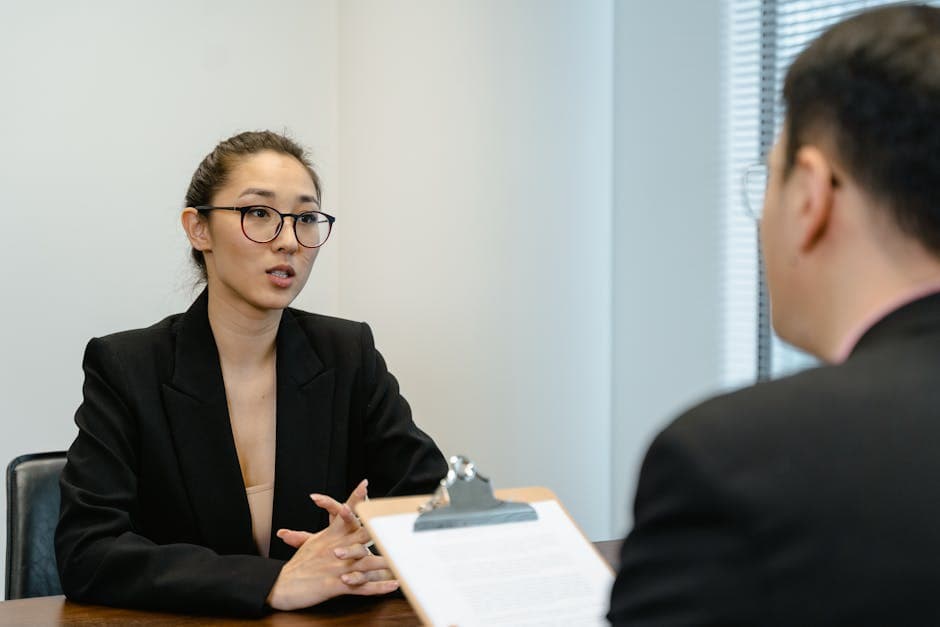
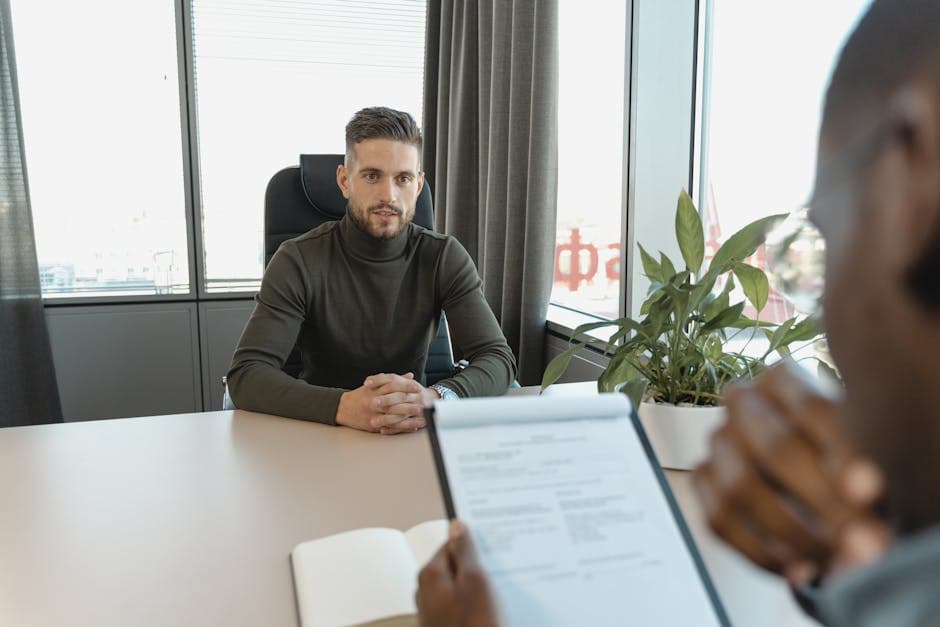
Landing a senior-level role means you're expected to have deep expertise and confidence in your answers. Yet, one of the most powerful and authentic responses you can give in a senior interview is "I don't know." This answer, when used correctly, signals honesty, self-awareness, and a growth mindset—qualities hiring managers value highly. If you’re wondering why saying "I don't know" might actually be the best move in a senior-level interview, this guide will help you understand how to leverage it effectively and stand out in your next conversation.
Why "I Don't Know" Can Be the Right Answer in Senior Interviews
In senior interviews, interviewers are not just assessing your current knowledge but also your problem-solving approach and leadership qualities. Saying "I don't know" shows:
- Honesty and integrity: Admitting gaps rather than bluffing builds trust.
- Self-awareness: Recognizing your limits is a sign of maturity.
- Openness to learning: It demonstrates your growth mindset.
Interviewers often prefer candidates who can acknowledge what they don’t know but show how they would find the answer or solve the problem.
"Senior candidates who admit uncertainty and pivot to problem-solving are often rated higher than those who over-promise." — Marcus Reid
Understanding the Primary Keyword: "senior level interview tips"
When searching for advice on senior interviews, candidates type queries like "how to answer tough questions in senior interviews" or "senior level interview tips." This article addresses these by explaining why "I don't know" can be a strategic answer and how to do it correctly.
When to Say "I Don't Know" Without Losing Credibility
Identify Truly Unknown Questions
Not every tough question calls for "I don't know." Use it only when:
- The question is outside your expertise or experience.
- You genuinely don’t have enough information to provide an accurate answer.
- Guessing could mislead or damage your credibility.
Combine "I Don't Know" With a Solution-Oriented Approach
Don’t leave the interviewer hanging. Follow up with:
- Explain your thought process: Show how you would approach the problem.
- Offer a related insight: Share relevant knowledge or similar experiences.
- Express eagerness to learn: Highlight your adaptability.
Example: "I don't have the exact data on that, but based on similar projects, I would start by..."
How Saying "I Don't Know" Reflects Leadership Skills
Senior roles require leading teams through uncertainty. Demonstrating comfort with unknowns shows:
- Confidence in decision-making: You don’t pretend to know everything.
- Encouragement of team collaboration: Willingness to seek input.
- Accountability: Taking ownership of limitations.
This honesty sets a positive example and fosters a transparent culture.
Tips for Using "I Don't Know" Effectively in Your Interview
- Be concise and confident: Avoid hesitation or apologizing excessively.
- Pivot quickly: Move on to your problem-solving approach.
- Practice mock interview scenarios: Get comfortable with saying it naturally.
- Use AI interview simulation: Tools like MockRound help refine your delivery.
Step-by-Step Guide: How to Respond When You Don’t Know an Answer
- Pause briefly: Collect your thoughts.
- Admit the gap honestly: Say, "I don’t know the answer to that specifically."
- Demonstrate your approach: "However, here’s how I would find out or tackle this challenge..."
- Share a relevant example: Relate a similar situation you handled.
- Express willingness to learn: "I’m always eager to expand my expertise in this area."
Common Related Questions About Senior Interview Answers
Why is honesty valued more than bluffing in senior interviews?
Honesty builds trust and credibility, while bluffing can backfire and damage your reputation.
How can I show problem-solving skills if I don’t know the answer?
Explain your method for researching, collaborating, and arriving at solutions.
Does saying "I don’t know" hurt my chances?
When paired with a constructive follow-up, it often improves your chances by showing maturity.
How do I practice responding to unknown questions?
Use mock interview practice and AI interview simulation platforms to simulate real scenarios.

Practice this answer live
Jump into an AI simulation tailored to your specific resume and target job title in seconds.
Start Simulation →Final Thoughts
In senior-level interviews, knowing when and how to say "I don't know" is a powerful strategy that sets you apart as a confident, honest, and growth-oriented leader. It’s not about what you know but how you handle the unknown that often determines success. Prepare yourself by embracing this answer authentically and practicing your follow-up responses through mock interview practice and AI interview simulation. Doing so will help you demonstrate your true leadership potential and secure that senior role you’re aiming for.

Career Strategist & Former Big Tech Lead
Priya led growth and product teams at a Fortune 50 tech company before pivoting to career coaching. She specialises in helping candidates translate complex work into compelling interview narratives.