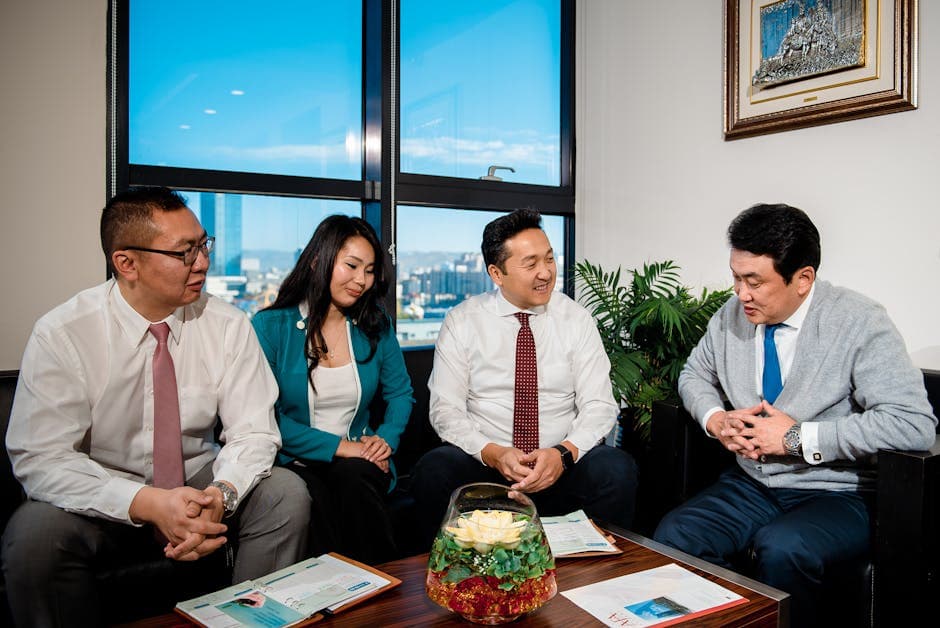
Making the leap from an individual contributor to a manager is a pivotal career moment that requires more than just a change in job title. If you’re preparing for leadership interviews, understanding how your interview style must change is crucial to stand out and secure that managerial role. This guide dives into the key shifts in mindset, communication, and behavioral approach you need to master for successful management interview preparation.
Understanding the Shift: From Individual Contributor to Manager
When you transition from an individual contributor (IC) to a manager, your responsibilities evolve from executing tasks to leading teams, driving results, and fostering growth. Hiring managers expect you to demonstrate this shift during your interview by showcasing leadership competencies rather than just technical skills.
Why Your Interview Style Needs to Change
As an IC, you likely focused on your personal achievements and technical problem-solving. In contrast, management interviews assess your ability to:
- Lead and motivate teams
- Manage conflict and drive collaboration
- Make strategic decisions
- Communicate vision and goals effectively
This means your answers should reflect a broader perspective and leadership mindset.
Key Differences in Interview Focus for Manager Roles
Behavioral Questions Targeting Leadership
You’ll face more situational and behavioral questions such as "Tell me about a time you managed a conflict within your team" or "How do you prioritize competing team goals?" These questions assess your interpersonal skills and decision-making.
Strategic Thinking Over Technical Depth
While technical expertise remains valuable, interviewers want to hear about how you align team efforts with business objectives and manage resources effectively.
How to Adapt Your Interview Style Effectively
1. Prepare Structured, Leadership-Focused Answers
Use frameworks like the STAR method (Situation, Task, Action, Result) to craft responses that highlight your leadership impact:
- Describe the context and your team’s challenge.
- Outline your role in addressing it.
- Explain the leadership actions you took.
- Share measurable outcomes.
2. Highlight Soft Skills and Emotional Intelligence
Emphasize your ability to:
- Communicate clearly and empathetically
- Resolve conflicts diplomatically
- Inspire and develop team members
3. Demonstrate Vision and Strategic Thinking
Talk about how you set goals, aligned teams, and made decisions that contributed to larger business success.
4. Showcase Your Adaptability and Learning Mindset
Managers must be agile. Share examples where you adapted your approach based on feedback or changing conditions.
Common Leadership Interview Questions and How to Tackle Them
- "Describe a time you helped a struggling team member improve performance."
- "How do you handle underperforming employees?"
- "Tell me about a difficult decision you had to make as a leader."
For each, use structured answers that focus on your people management skills and results-driven leadership.
Tips for Successful Manager Interview Preparation
- Conduct mock interview practice focused on leadership questions
- Use AI interview simulation tools to receive instant feedback on your answers
- Study examples of effective leadership communication
- Prepare questions that demonstrate your interest in team culture and development
"Candidates who clearly articulate their leadership impact during interviews are 70% more likely to receive management offers." – Leadership Hiring Insights

Practice this answer live
Jump into an AI simulation tailored to your specific resume and target job title in seconds.
Start Simulation →Frequently Asked Questions
What is the biggest difference between IC and manager interviews?
Manager interviews focus more on leadership, people management, and strategic thinking rather than individual technical skills.
How can I demonstrate leadership in my answers?
Use specific examples showing how you motivated teams, resolved conflicts, and drove results using the STAR method.
Should I still talk about technical skills in management interviews?
Yes, but emphasize how you use technical knowledge to guide and support your team rather than doing the work yourself.
How can mock interview practice help in this transition?
Mock interviews allow you to simulate leadership scenarios and refine your communication style, boosting confidence and performance.
Final Thoughts
Transitioning from an individual contributor to a manager means shifting your interview style to highlight your leadership abilities, strategic mindset, and people skills. By preparing structured, leadership-focused answers and practicing with tools like AI interview simulation, you position yourself as a confident, capable candidate ready to lead. Embrace this change in approach, and you’ll dramatically increase your chances of landing that management role. Start refining your leadership interview skills today to make your career transition seamless and successful.

Leadership Coach & ex-Mag 7 Product Manager
Marcus managed cross-functional product teams at a Mag 7 company for eight years before becoming a leadership coach. He focuses on helping senior ICs navigate the transition to management.