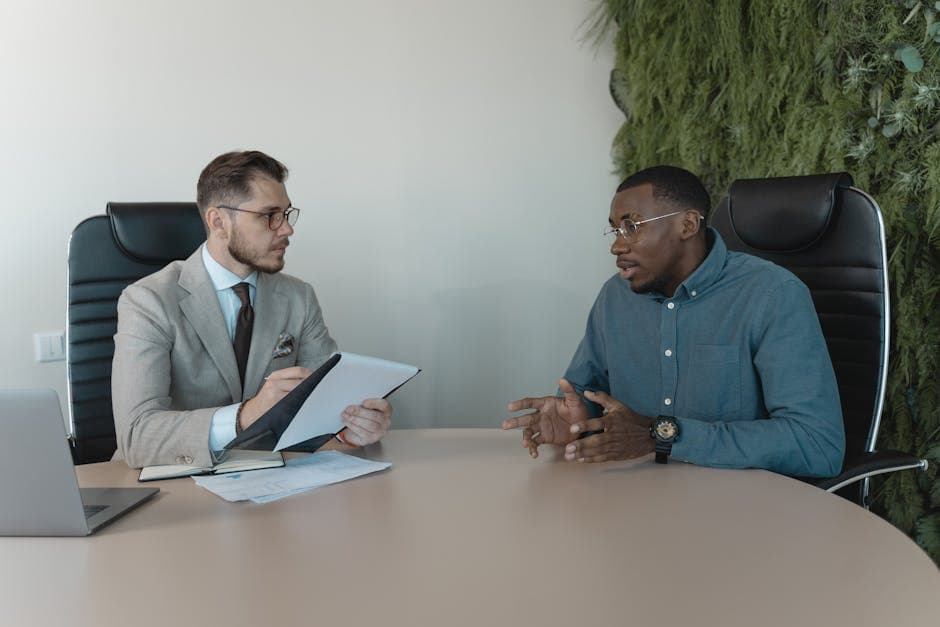
Understanding Interview Anxiety
Interview anxiety is a natural response to high-pressure situations where your performance feels on the line. It triggers your body's fight-or-flight mechanism, causing symptoms like sweaty palms, racing thoughts, and a shaky voice. Recognizing that this is a biological reaction—not a reflection of your abilities—can help you start managing it effectively.
Anxiety often stems from fear of the unknown and fear of failure, not lack of skill.
Why Interview Anxiety Holds You Back
When anxiety spikes during an interview, it can impair your cognitive functions like memory recall and problem-solving. This means you might blank on answers or struggle to articulate your thoughts clearly. Understanding this connection helps you see that anxiety is an obstacle you can work around, not a permanent barrier.
How Mock Interviews Alleviate Anxiety
Mock interviews simulate the real interview environment, giving you repeated exposure to the stressors that trigger anxiety. This practice helps desensitize your nervous system, reducing the intensity of your anxiety over time. Additionally, mock rounds build your familiarity with common questions and scenarios, boosting your confidence.
The Science Behind Mock Rounds
- Exposure Therapy: Repeatedly facing interview situations reduces fear responses.
- Skill Mastery: Practice sharpens your answers and problem-solving under pressure.
- Feedback Loop: Constructive critique helps you correct mistakes and improve.
Practical Steps to Use Mock Interviews Effectively
- Simulate Real Conditions: Dress formally, time yourself, and eliminate distractions.
- Record Your Sessions: Reviewing recordings helps identify nervous habits and areas for improvement.
- Seek Varied Feedback: Get input from peers, mentors, or coaches to gain different perspectives.
- Focus on Weak Spots: Target your practice to the questions or skills that cause the most anxiety.

Practice this answer live
Jump into an AI simulation tailored to your specific resume and target job title in seconds.
Start Simulation →Breathing and Mindfulness Techniques to Complement Practice
Incorporate breathing exercises before and during mock rounds to calm your nervous system. Techniques like box breathing or the 4-7-8 method can reduce physical symptoms of anxiety quickly. Mindfulness meditation also trains your brain to stay present, minimizing spiraling thoughts about worst-case scenarios.
Building a Resilient Interview Mindset
Beyond preparation, cultivate a mindset that views interviews as conversations rather than tests. Remind yourself that interviewers want you to succeed—they’re looking for a good fit, not perfection. Embrace mistakes as learning opportunities instead of failures.
"Every mock interview is a step closer to your confident, authentic self in the real room."
Final Thoughts
Interview anxiety can feel overwhelming, but with the right strategies, it’s entirely manageable. Mock interviews provide a scientifically backed method to reduce fear by building experience and confidence. Combine them with mindfulness and a growth mindset, and you’ll transform anxiety from a stumbling block into a source of motivation. Remember, your goal isn’t to eliminate nerves completely—it’s to learn how to perform at your best despite them. Keep practicing, and you’ll walk into your next interview ready to shine.

Salary Negotiation Coach & ex-Wall Street
Daniel worked in investment banking before building a practice around compensation negotiation and career transitions. He has helped hundreds of professionals increase their total comp by an average of 34%.