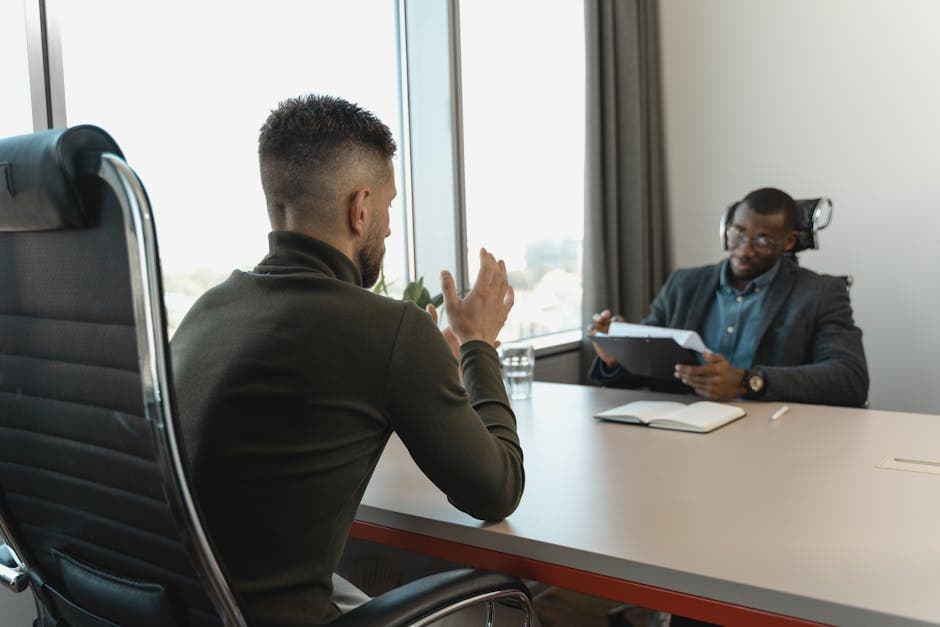
Interviews can be challenging enough without the added hurdle of an interviewer who seems distracted or uninterested. If you’re wondering how to respond to an interviewer who seems distracted or uninterested, you’re not alone. This situation can throw off your confidence and derail your carefully prepared answers, but with the right strategies, you can regain control and make a positive impression.
Understanding Why Interviewers Appear Distracted or Uninterested
Before diving into response tactics, it’s important to recognize that an interviewer’s distracted behavior may not reflect on you personally. Many factors like back-to-back meetings, fatigue, or multitasking can cause this. Understanding this helps you stay calm and professional.
- They might be reviewing notes or other candidates
- External distractions like phone calls or emails
- Stress or personal issues unrelated to the interview
Pro tip: Remember, their distraction is often situational, not a reflection of your qualifications.
Signs Your Interviewer Is Distracted or Uninterested
Recognizing these signs early allows you to adjust your approach:
- Lack of eye contact or frequent glancing at devices
- Short or monosyllabic responses
- Interruptions or checking the time frequently
- Limited engagement or follow-up questions
How to Respond When the Interviewer Seems Distracted
1. Pause and Reassess Your Approach
If you notice signs of distraction, take a brief pause. Use this moment to reset your tone and energy level. Sometimes, increasing your enthusiasm or varying your speaking pace can capture attention.
2. Engage With Open-Ended Questions
Encourage interaction by asking thoughtful questions related to the role or company. For example, “Could you share more about the team’s current challenges?” This can draw the interviewer back into the conversation.
3. Mirror Their Energy and Body Language
Subtly mirroring the interviewer’s tone or posture can build rapport and make them feel more connected to you.
4. Keep Answers Concise and Impactful
Avoid long-winded explanations. Focus on clear, structured answers highlighting your skills and achievements. The STAR method (Situation, Task, Action, Result) is especially effective here.
5. Politely Check In
If distraction persists, it’s okay to gently confirm if the timing is still good. For example, “I want to make sure I’m respecting your time; would you prefer to continue now or reschedule?”
Tips for Maintaining Confidence and Composure
- Take deep breaths and stay grounded
- Maintain positive body language: smile, sit upright
- Avoid negative thoughts about the interviewer’s behavior
- Prepare a list of impactful anecdotes to keep answers engaging
How Mock Interview Practice Can Help
Practicing responses in a simulated environment can prepare you for unexpected interviewer behaviors. Platforms offering AI interview simulation can mimic distracted or uninterested interviewer scenarios, helping you adapt your strategy in real-time.

Practice this answer live
Jump into an AI simulation tailored to your specific resume and target job title in seconds.
Start Simulation →Checklist: Responding to a Distracted Interviewer
- Recognize signs of distraction early
- Adjust your energy and tone
- Use open-ended questions to reengage
- Keep answers concise with structured STAR responses
- Politely check in if necessary
- Practice through mock interviews with AI simulations
Frequently Asked Questions
Why does an interviewer act distracted during an interview?
Interviewers may appear distracted due to workload, stress, or external interruptions. It’s usually unrelated to you or your performance.
How can I keep a distracted interviewer engaged?
Use open-ended questions, maintain enthusiastic body language, and give concise, structured answers to capture their attention.
Should I address the interviewer’s distraction directly?
If distraction persists, it’s appropriate to politely ask if the timing is still convenient, showing professionalism and respect.
Can practicing with AI interview simulations improve my response?
Absolutely. AI interview simulations expose you to varied interviewer behaviors, including distraction, helping you build confidence and adaptability.
Final Thoughts
Handling an interviewer who seems distracted or uninterested can feel daunting, but with the right mindset and tactics, you can turn the situation to your advantage. Stay calm, be engaging, and keep your answers concise and impactful. Remember, practicing through mock interview practice and leveraging AI interview simulation tools can prepare you to confidently navigate any interview dynamic. Take control of your next interview and make every interaction count!

Leadership Coach & ex-Mag 7 Product Manager
Marcus managed cross-functional product teams at a Mag 7 company for eight years before becoming a leadership coach. He focuses on helping senior ICs navigate the transition to management.